

Respiratory Insufficiency ICD 10 Billing That Costs Revenue
Respiratory Insufficiency ICD 10 is one of the riskiest diagnoses in billing today. It looks safe. It is not. Claims often pay first. Then money disappears later. Why does this happen so often? Why do audits target these claims? Why do payers say care was not needed? The answer is simple. Payers see this diagnosis […]
Z00.00 Diagnosis Code 2025: ICD-10 Preventive Exam Guide
Z00.00 Diagnosis Code drives how preventive visits get paid. It shapes coverage. It shapes denials. Why does this code matter so much? Because payers read it first. Because automation acts on it fast. If this code is wrong, the claim fails. If the note is unclear, audits follow. This guide answers the questions providers actually […]
ICD 10 Code for Anemia: Classification, Causes, and Coding Rules
The ICD 10 code for anemia is not selected by lab values alone. In ICD-10-CM, anemia is coded based on the underlying cause, provider assessment, and documented clinical impact. CMS and commercial payers expect anemia to be classified correctly to support medical necessity, prevent audits, and ensure accurate reimbursement. When anemia is coded without cause […]
Acid Reflux ICD 10 K21.9 Claims Die Without Assessment Language
Acid Reflux ICD 10 coding feels safe. It feels routine. It feels correct. So why do claims fail anyway? The answer is not the code. The answer is the story around it. K21.9 fails because payers do not see intent. They do not see risk. They do not see a reason to pay. This is […]
Left Knee Pain ICD 10 Errors That Trigger Claim Rejections

In the 2026 reimbursement landscape, M25.562 claim denials are often the result of automated payer edits rather than manual review. This guide is specifically designed for billing professionals and Revenue Cycle Managers (RCMs), addressing high rejection rates for symptom-based coding. Before troubleshooting your specific denials, ensure you are utilizing the correct 2026 ICD 10 Code […]
Why E11.9 Triggers Prior Authorization Requests for Diabetes
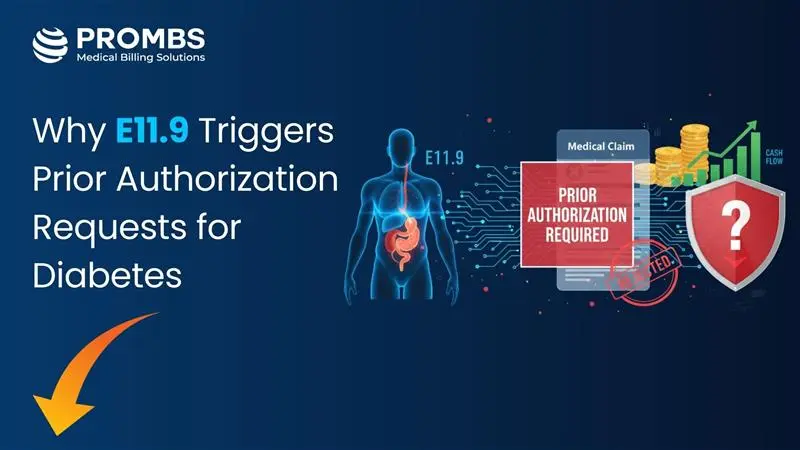
E11.9 causes many prior authorization delays for diabetes care. Why does this simple code create so many payer questions? The reason is not poor care or bad outcomes. The reason is how payers read risk. Payers do not think like doctors. They think in rules, scores, and patterns. E11.9 sends a clear message to them. […]
Hyperglycemia ICD 10 Coding Rules Explained by Pro-MBS

Hyperglycemia ICD 10 (R73.9) is an ICD-10-CM symptom code used to report elevated blood glucose levels when diabetes has not been diagnosed. Hyperglycemia ICD 10 directly affects whether claims are paid or delayed. Payers flag it quickly. Auditors review it often. The reason is simple. This code is not a diagnosis. It is a signal. […]
Online Medical Billing and Coding That Protects Pediatric Cash Flow

Online Medical Billing and Coding in pediatrics refers to the digital management of coding, claims submission, and AR workflows for child-focused healthcare services under U.S. payer rules. Online Medical Billing and Coding decides how fast pediatric practices get paid. It decides how long revenue stays locked away. It decides whether cash flow feels steady or […]
Rib Pain ICD 10: Coding Rules and Code Selection Errors for R07.81
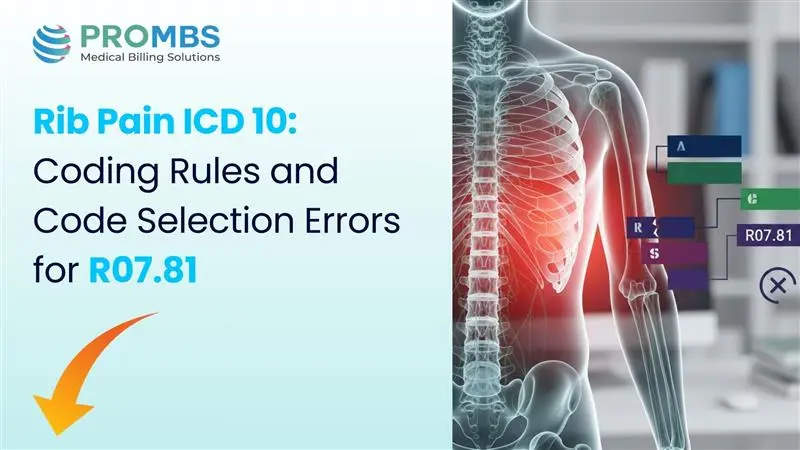
Rib Pain ICD 10 shows up on charts every single day. It feels simple. In practice, it rarely is. Why does rib pain cause so many denials? Because pain is a symptom, not a diagnosis. And symptom coding has strict rules. Coders often move too fast here. They see pain and grab R07.81. That shortcut […]