

ICD 10 Code for Dehydration | E86.0

Dehydration is one of the most common clinical conditions documented across emergency rooms, primary care offices, and urgent care centers. While the medical treatment often focuses on restoring fluids, from a billing and coding perspective, the focus lies in accurately assigning the ICD 10 code for dehydration and pairing it with the correct CPT and […]
ICD 10 Code for Tick Removal | 2025 Coding Guide
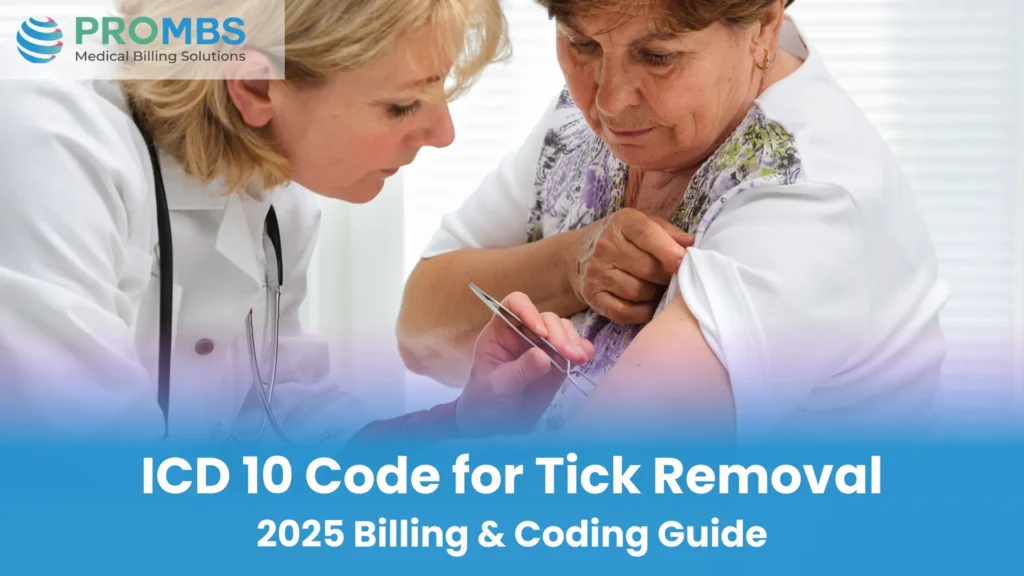
Tick bites are more than just a nuisance, they carry significant clinical and billing implications. Providers often encounter patients with tick bites presenting for wound care, tick removal, or concerns about infections such as Lyme disease, ehrlichiosis, or Rocky Mountain spotted fever. From a coding perspective, accurately applying the ICD 10 code for tick bite […]
How to Choose the Best Medical Billing Company

What Is a Medical Billing Company and What Services Do They Provide? A medical billing company plays a far more complex role than simply submitting claims to payers. The best medical billing companies deliver end-to-end medical billing services that include medical claims processing, denial management services, credentialing support, and complete RCM services for doctors. These […]
ICD 10 Code for Seasonal Allergies (J30.2) – Complete Guide

Correct use of the ICD 10 code for seasonal allergies (J30.2) is critical for accurate medical documentation, claims processing, and payer compliance. Seasonal allergic rhinitis, commonly known as hay fever, is one of the most frequently reported allergy conditions in the U.S. and worldwide. Failure to assign the proper code often leads to denials, delayed […]
Outsourced Medical Billing: Pros, Cons, and Cost Analysis

Healthcare providers across the U.S. are increasingly evaluating whether to keep billing in-house or partner with Outsourced Medical Billing companies. With rising labor costs, compliance challenges, and payer scrutiny, the decision directly impacts revenue cycle management (RCM), denial rates, and overall profitability. This guide provides a comprehensive analysis of Outsourced Medical Billing, its advantages, drawbacks, […]
ICD 10 Code for Left Arm Pain M79.602 Coding Guide
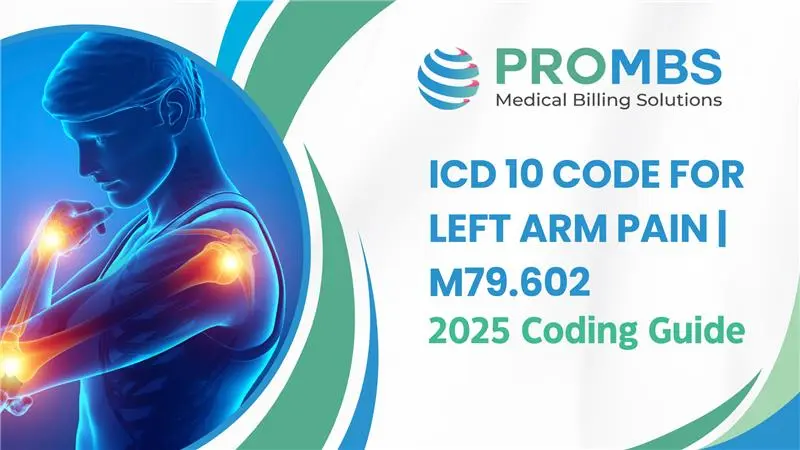
Accurate coding for pain-related conditions is critical in medical billing. Among these, the left arm pain ICD 10 code is frequently used by providers across emergency care, orthopedics, cardiology, and physical therapy. Proper application of this code ensures clean claims, prevents denials, and supports payer compliance. In this guide, we’ll cover everything you need to […]
8-Minute Rule in Therapy Billing | 2026 CMS Compliance Guide
The 8-minute rule in therapy billing plays a major role. Many billing errors happen because people misunderstand how this rule works. Providers, coders, and billers must understand it to bill correctly and avoid denials. This simple breakdown explains the rule clearly, so you can use it correctly every day. One unit of a time-based therapy […]
ICD 10 Code for Left Foot Pain (M79.672): Billing and Denial Guide
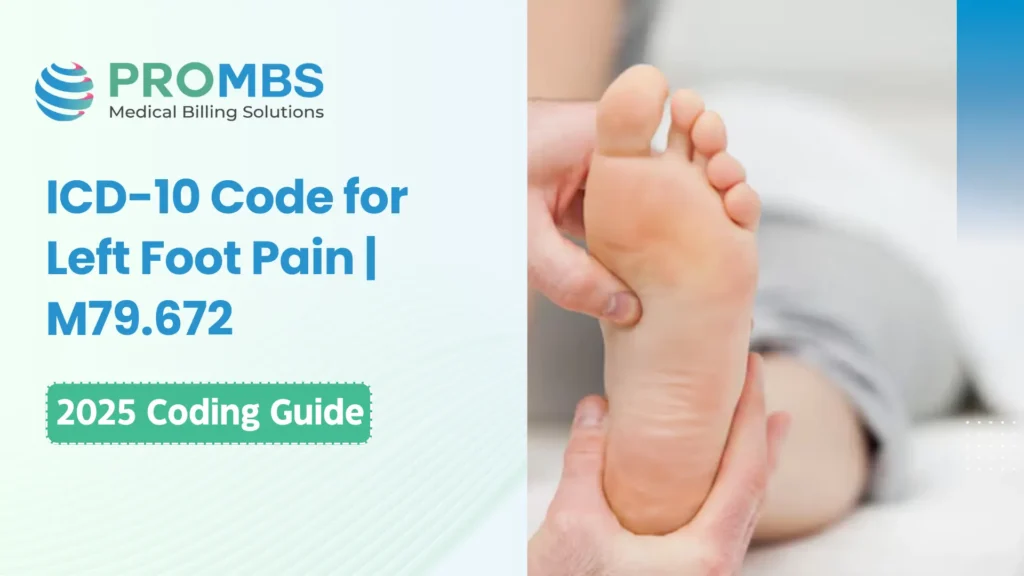
Accurate coding is the foundation of compliant medical billing. When it comes to musculoskeletal complaints, left foot pain is one of the most frequently reported conditions in outpatient settings. Selecting the correct ICD 10 code for left foot pain is essential not only for proper reimbursement but also for avoiding denials and ensuring medical necessity. […]
Revenue Code in Medical Billing: 2025 Guide
In medical billing, revenue cycle accuracy is the backbone of successful reimbursements. One of the most misunderstood yet vital elements is the revenue code in medical billing. Providers, coders, and billers must know how revenue codes work because they directly connect services to payment. Misusing or omitting them often results in denials, underpayments, or compliance […]