

Claims Denied After Provider Changes: Rendering NPI and Tax ID Mismatches
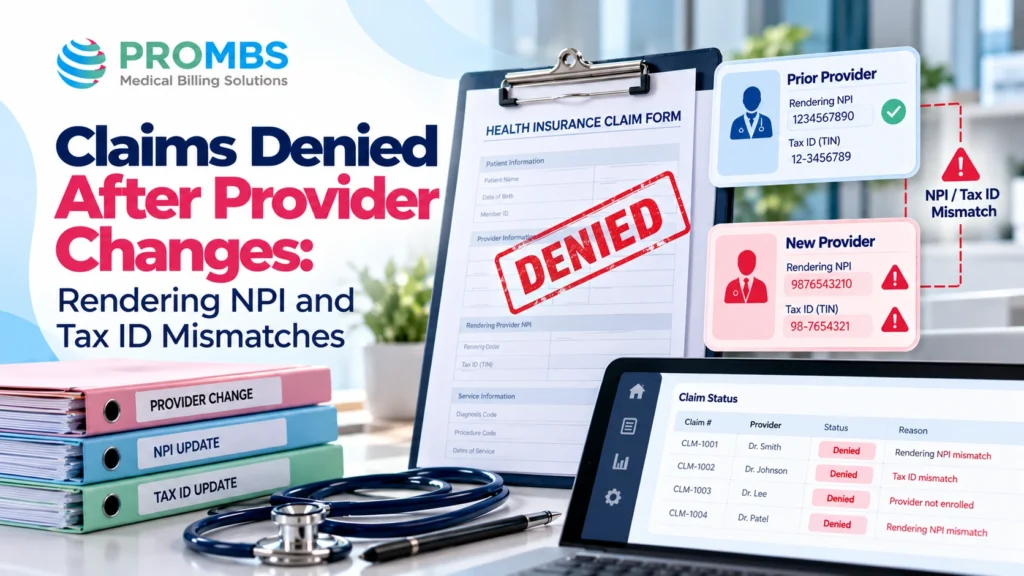
A physician has been treating patients and receiving insurance payments without problems. Then the physician joins another medical group, and the billing team updates the practice management system. The physician’s National Provider Identifier (NPI) remains the same. The services are documented correctly, and the patients have active insurance coverage. But when the practice submits its […]
Charge Capture Reconciliation: Matching Completed Encounters to Submitted Claims
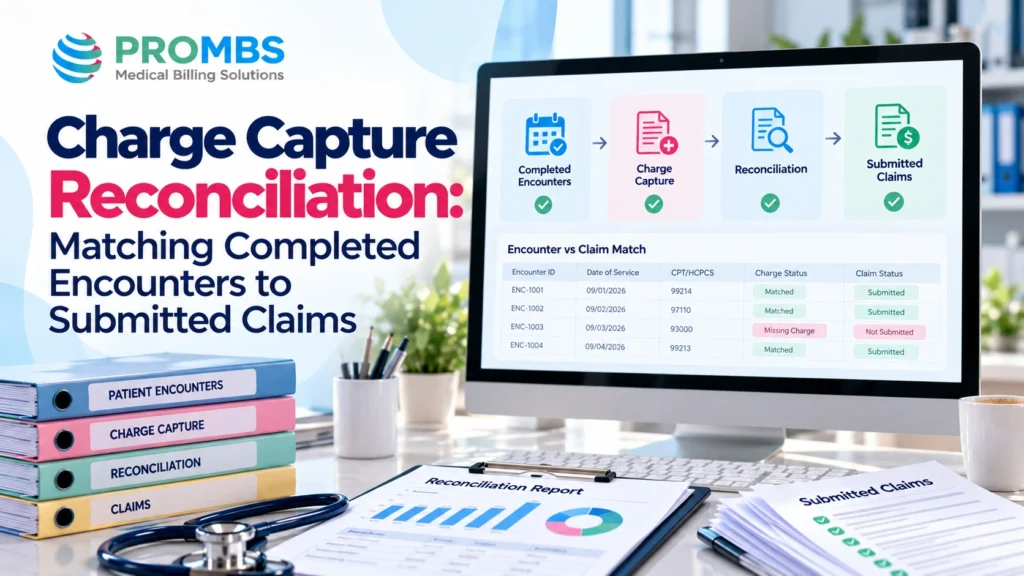
A medical practice completes 45 patient encounters in one day. The clinical team finishes documenting the visits, and the billing department processes the charges. Everything appears normal until the practice manager compares the encounter records with the billing reports. Several completed visits have no corresponding charges. Another encounter has an office visit charge, but a […]
Payer Recoupment Notices: How Practices Validate and Dispute Takebacks
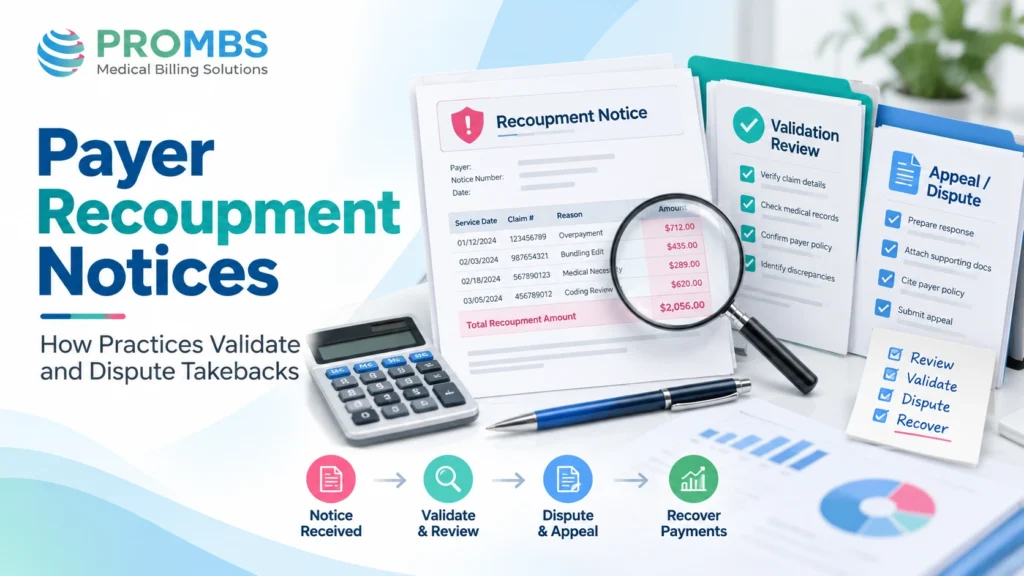
A medical practice receives a letter from an insurance company demanding repayment of $6,400 for claims processed several months earlier. The letter states that the payer identified an overpayment and intends to recover the amount from future reimbursements. But the billing team remembers that some of those claims were already reviewed. A few may even […]
Medical A/R Over 90 Days: Building a Payer-Specific Recovery Worklist
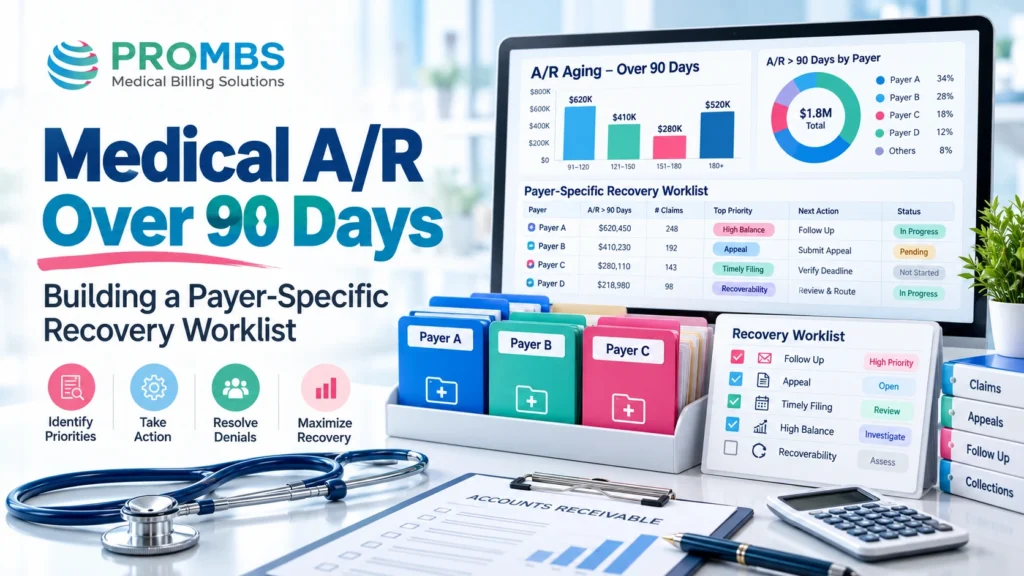
A medical practice reviews its monthly accounts receivable report and discovers $180,000 in outstanding balances older than 90 days. The billing team knows the money is unpaid, but the report does not explain what needs to happen next. Some claims are still waiting for payer processing. Others were denied, underpaid, or never properly followed up. […]
Denial Root-Cause Analysis: How to Stop Repeating the Same Claim Corrections
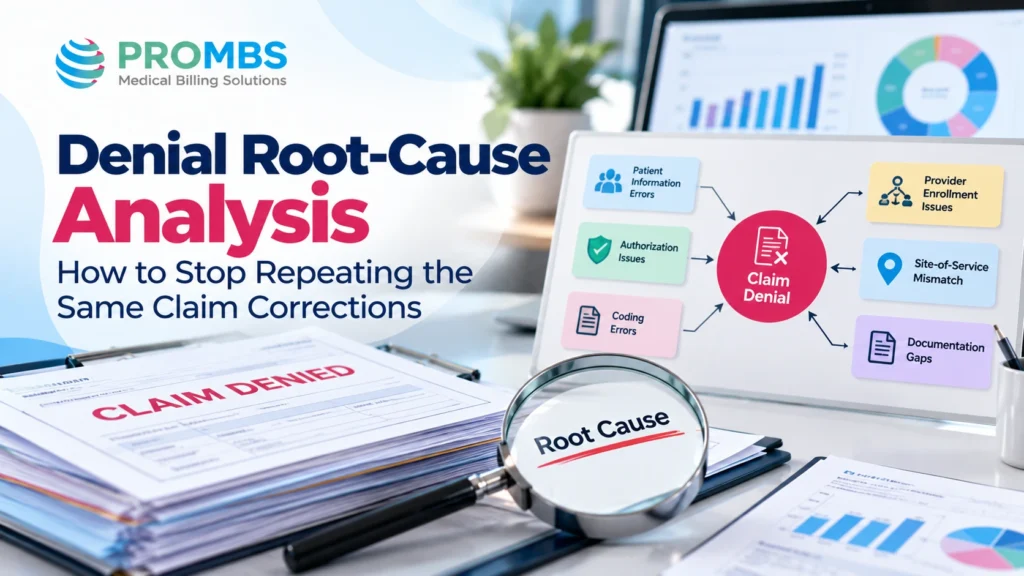
A medical billing team corrects 15 denied claims because of missing authorization information. The payer eventually processes those claims, and the team moves on. Two weeks later, another group of claims returns with the same problem. The billing team repeats the corrections, contacts the payer, and updates the accounts. Yet nobody investigates why the authorization […]
2027 Prior Authorization Changes: A Practice Readiness Checklist

Starting January 1, 2027, certain health insurance payers must begin meeting new electronic prior authorization and healthcare data-sharing requirements under the CMS Interoperability and Prior Authorization Final Rule. For medical practices, this creates an opportunity to reduce manual authorization work, improve visibility into payer decisions, and coordinate treatment approvals more efficiently. But what exactly changes […]
Medical Billing Vendor Transition Checklist for Multi-Provider Practices

Switching medical billing companies can become complicated when a practice has multiple physicians, locations, and insurance contracts. One provider may be enrolled with Medicare under the practice’s billing group, while another has different commercial payer participation. A third may perform procedures at multiple facilities with separate billing requirements. If the incoming billing company overlooks these […]
Revenue Cycle Handoff Failures: When Scheduling, Authorization and Coding Do Not Match
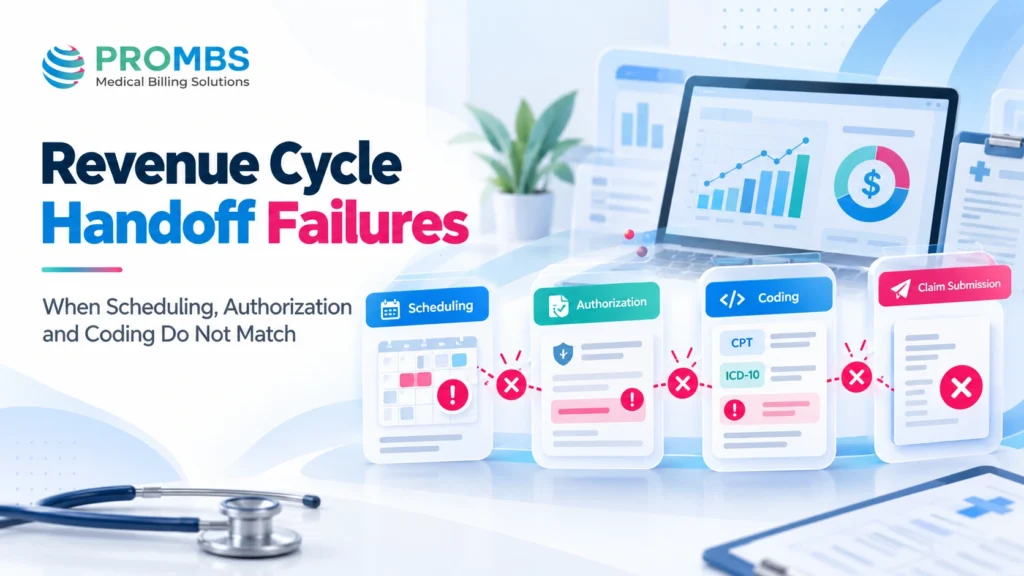
A patient schedules a procedure, the authorization team obtains insurance approval, and the coding department prepares the claim after treatment. Each department completes its assigned task. Yet the claim is delayed or denied because the information recorded at one stage no longer matches what happened at another. Perhaps the procedure was moved to a different […]
Corrected Medical Claims vs Appeals: How to Choose the Right Resolution

A medical practice receives a denied claim for $2,800. The billing team reviews the payer’s response and discovers that something went wrong. But should they correct the claim and submit it again, or challenge the insurance company’s decision through an appeal? Choosing the wrong option can delay reimbursement, create duplicate submissions, or cause the practice […]