

Authorization Units Exhausted: Preventing Therapy and Infusion Claim Denials
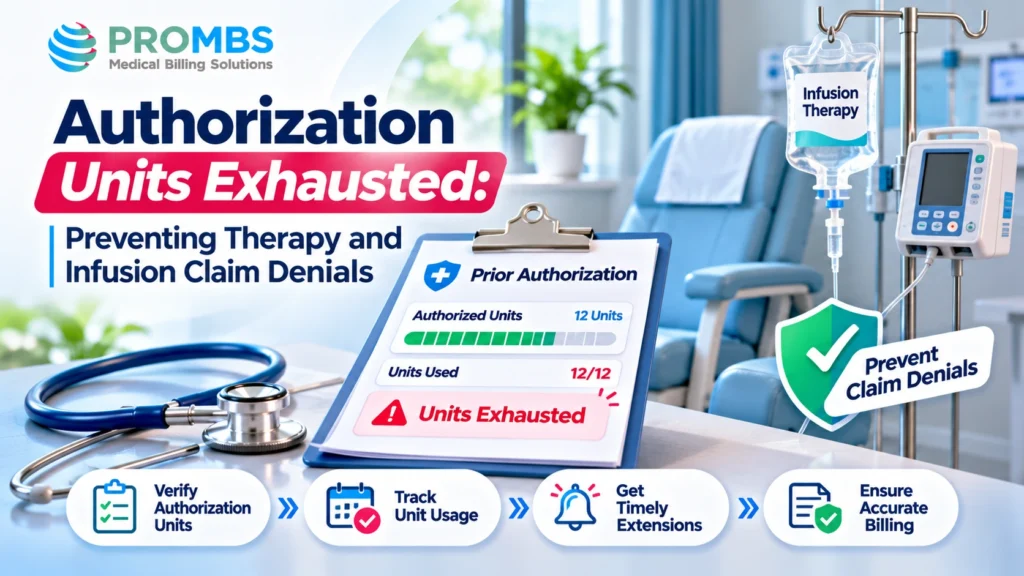
A prior authorization can still be active and a claim can still be denied. That surprises many therapy clinics, infusion centers, and medical practices because authorization is often treated as a simple yes-or-no requirement. Once approval is obtained, staff may assume the treatment is financially protected until the authorization expiration date. In reality, many authorizations […]
Medical Billing Credit Balance Audits: Finding Duplicate Payments and Refund Risks

A credit balance on a medical account can look simple: the account shows a negative amount, so someone must be owed money. In practice, the situation is rarely that straightforward. A negative balance may represent a genuine patient overpayment, a duplicate insurance payment, an incorrect contractual adjustment, a payment posted twice, a secondary payer payment […]
Claims Denied After Retroactive Eligibility Updates: Reprocessing and Appeal Steps
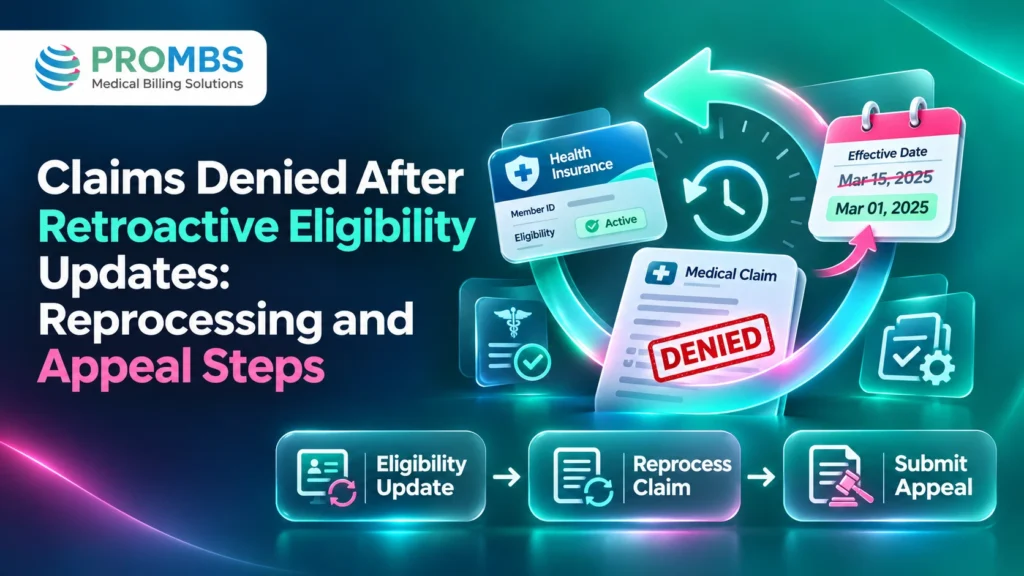
A medical claim can pass eligibility verification on the date of service and still be denied weeks later. The patient appeared to have active insurance, the provider delivered covered services, and the billing team submitted the claim using the available information. Then the payer updated its eligibility records, leaving the claim denied, adjusted, or even […]
Provider Reassignment Delays: Why Group Claims Deny After Enrollment
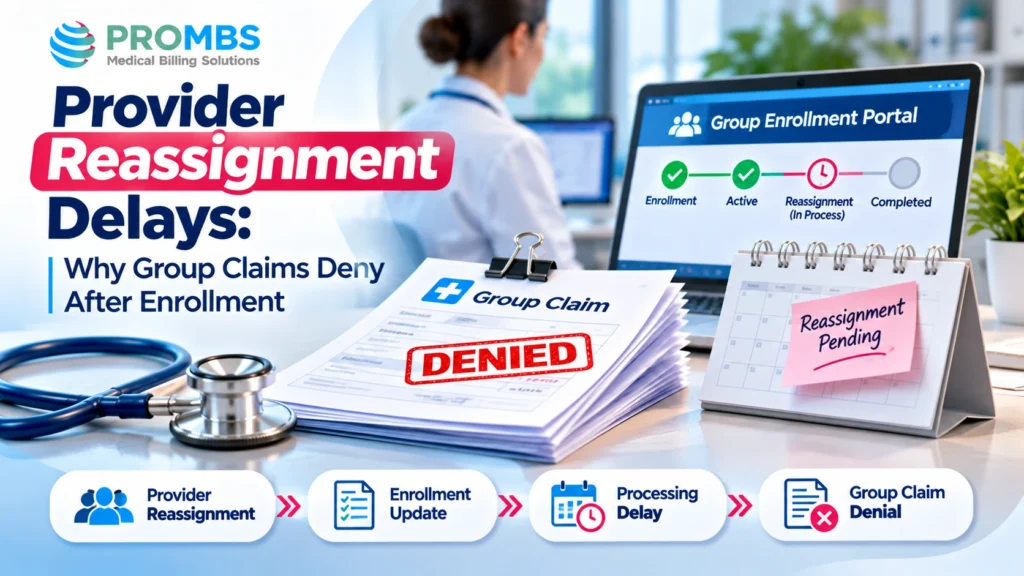
A medical group hires a physician, completes the credentialing process, and receives confirmation that the provider is enrolled in Medicare. The physician begins seeing patients, and the billing department submits claims using the physician’s individual NPI and the group’s billing information. Everything appears ready for reimbursement. However, several claims are rejected or denied because Medicare […]
Modifier 59 vs X Modifiers: Documenting Distinct Procedures Correctly

A healthcare provider performs two procedures during the same patient visit. Both services are medically necessary, and the physician documents them in the medical record. However, when the billing team submits the claim, the insurance company denies payment for one procedure because the services are subject to a National Correct Coding Initiative (NCCI) edit. The […]
Referral Required vs Prior Authorization Required: Avoiding Verification Errors
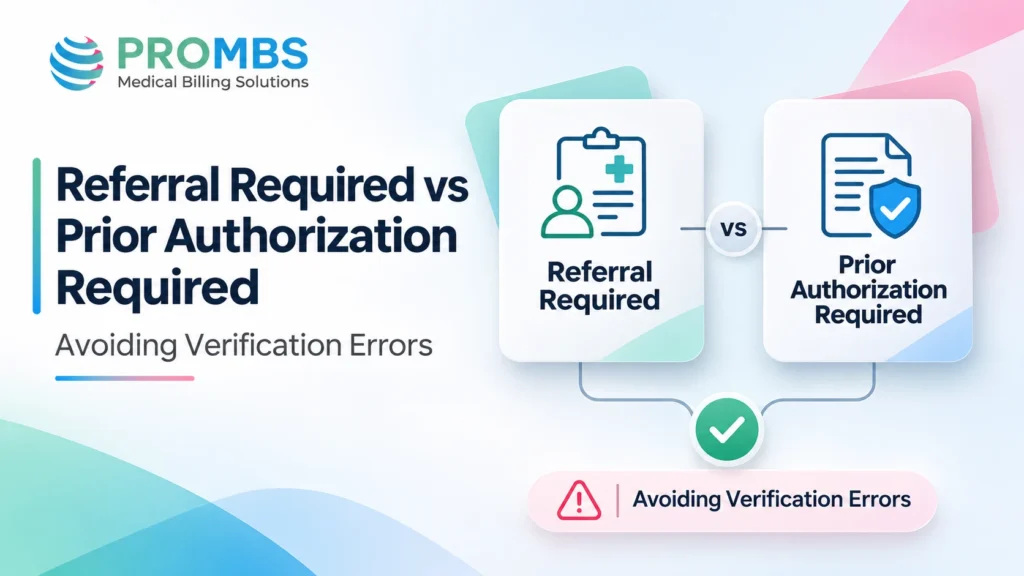
A patient schedules an appointment with an orthopedic specialist after receiving a referral from their primary care physician. The specialist’s office collects the referral letter, verifies the patient’s active insurance coverage, and confirms the appointment. The visit takes place as scheduled. Several weeks later, the insurance company denies the claim because the patient’s health plan […]
Small-Balance A/R: When Recovery Costs More Than the Claim

A medical practice has an outstanding insurance balance of $35. The claim was processed several weeks ago, but the insurer has not issued the remaining payment. A billing specialist reviews the account, calls the payer, waits on hold, explains the issue, and documents the representative’s response. The entire process takes approximately 40 minutes. Even if […]
Additional Documentation Requests: Preventing Claims From Stalling in Payer Review
A medical practice submits an insurance claim for a procedure that was performed and documented correctly. The claim passes the initial submission checks, and the billing team expects payment within the payer’s usual processing timeframe. Several weeks later, the account remains unpaid. When the billing specialist checks the payer portal, the claim is marked as […]
Modifier 25 Documentation: Supporting Separately Identifiable E/M Services

A patient visits an orthopedic practice for a scheduled knee injection. Before performing the procedure, the physician confirms the patient’s symptoms, reviews the treatment area, explains the injection, and obtains consent. The practice bills both the injection and a separate evaluation and management (E/M) service with Modifier 25. When the insurance company reviews the claim, […]