

Medical Billing QA Sampling: Catching Recurring Errors Before Claim Submission
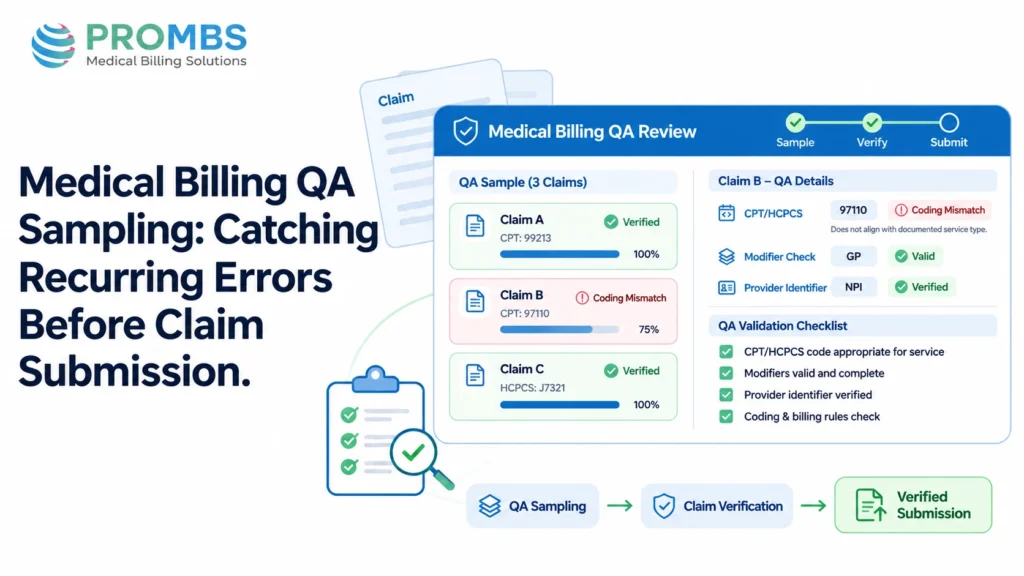
A multispecialty medical practice prepares a batch of insurance claims for submission. The billing department has completed charge entry, assigned procedure codes, and verified the required claim information. Everything appears ready until a quality assurance reviewer examines a small selection of claims and discovers that several contain an incorrect place of service code. The reviewer […]
Therapy Authorization After a Diagnosis Change: Avoiding Claim Mismatches
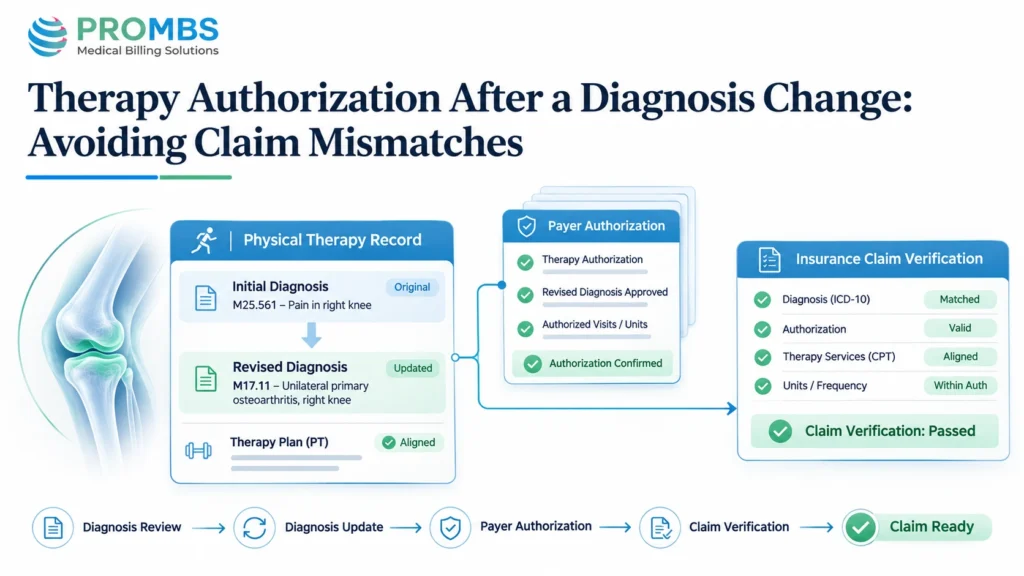
A patient begins physical therapy for persistent knee pain after receiving an initial evaluation and treatment plan. The clinic verifies the patient’s insurance benefits, obtains the required prior authorization, and schedules several therapy sessions. Treatment progresses as expected until further medical assessment reveals a more specific knee condition that changes the diagnosis documented in the […]
Professional vs Facility Claims: Why the Same Service Creates Two Billing Paths
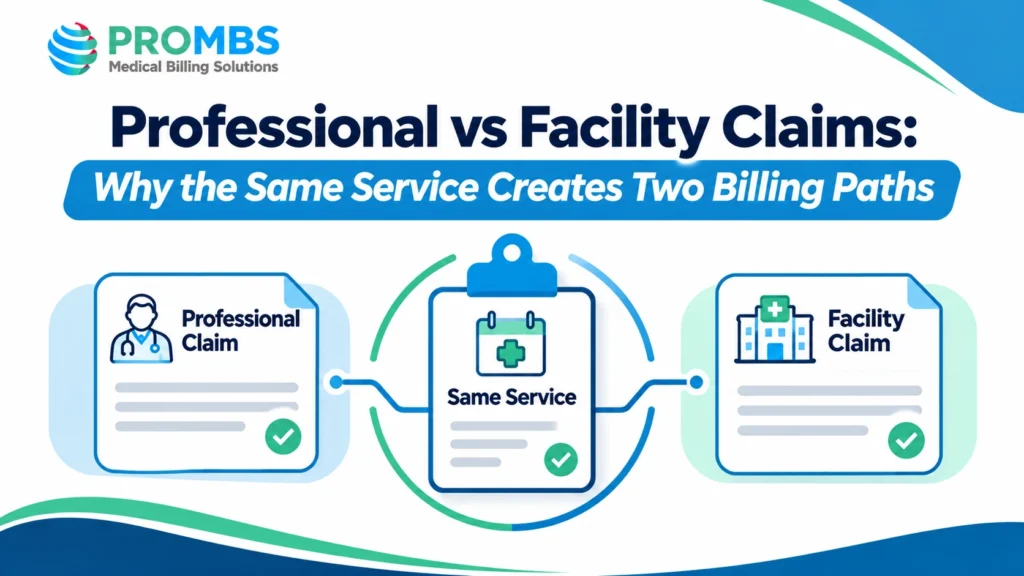
A patient visits the emergency department after experiencing severe abdominal pain. A physician evaluates the patient, orders diagnostic tests, reviews the results, and recommends treatment. The patient receives the necessary care and returns home, believing the hospital visit is complete. Several weeks later, two insurance claims appear in the patient’s health plan records. One comes […]
Payer Correspondence Tracking: Managing Letters, Deadlines, and Responses
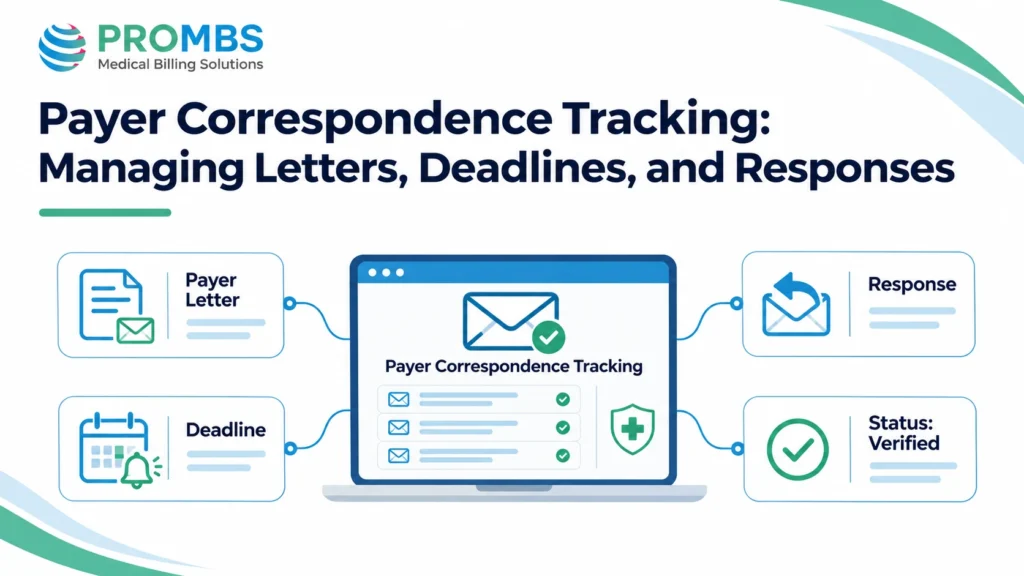
A medical practice receives a request from an insurance company asking for additional clinical documentation before a claim can be processed. The letter reaches the front office, but the billing department is not notified immediately. By the time an employee reviews the request, several days have passed, and the practice has limited time remaining to […]
Change of Provider Name: Which Payer and NPI Records Need Updating?
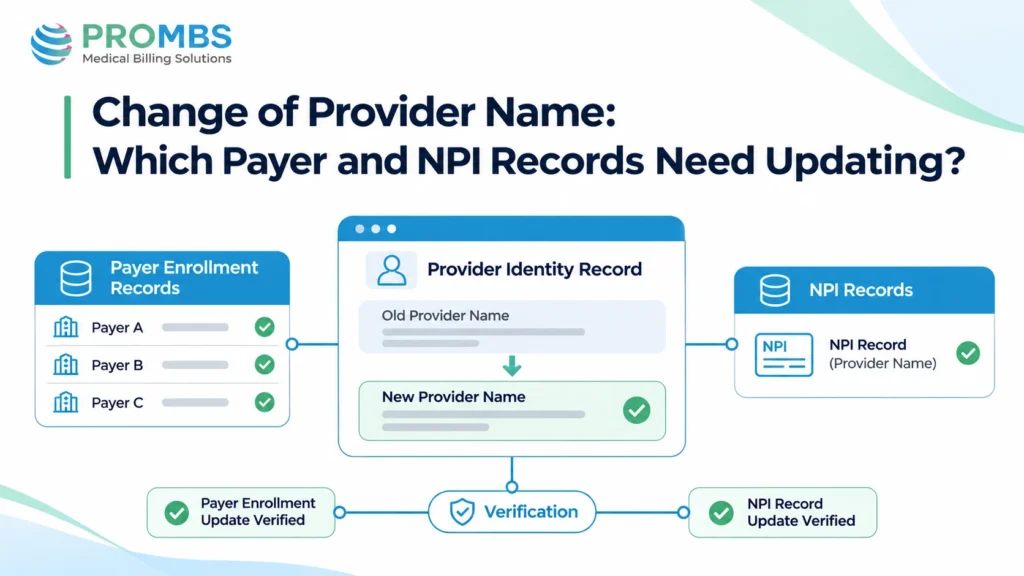
A physician changes their last name after marriage, updates their medical license, and continues seeing patients without interruption. Their clinical credentials remain valid, their National Provider Identifier (NPI) stays the same, and their practice continues operating as usual. However, several weeks later, the billing department begins receiving claim rejections because the provider’s updated name does […]
Prior Authorization Audit Checklist: Reviewing Expired and Mismatched Approvals
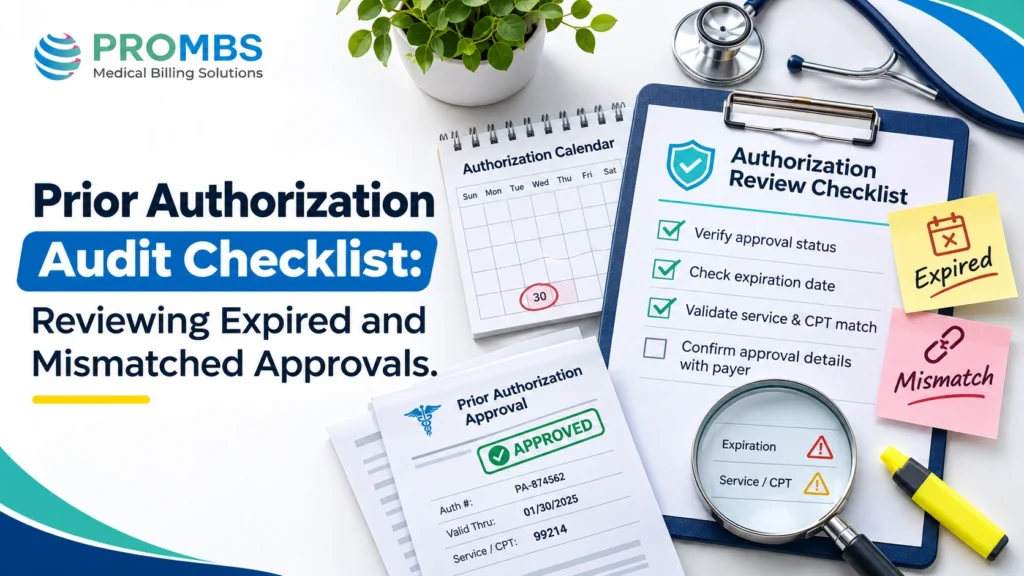
A medical practice obtains prior authorization for a patient’s procedure, receives approval from the insurance company, and schedules the treatment. The clinical team performs the service, the billing department submits the claim, and the practice expects reimbursement. However, when the insurer processes the claim, payment is denied because the authorization expired or the procedure billed […]
Referring Provider Claim Denials: NPI Errors, PECOS Issues, and How to Fix Them
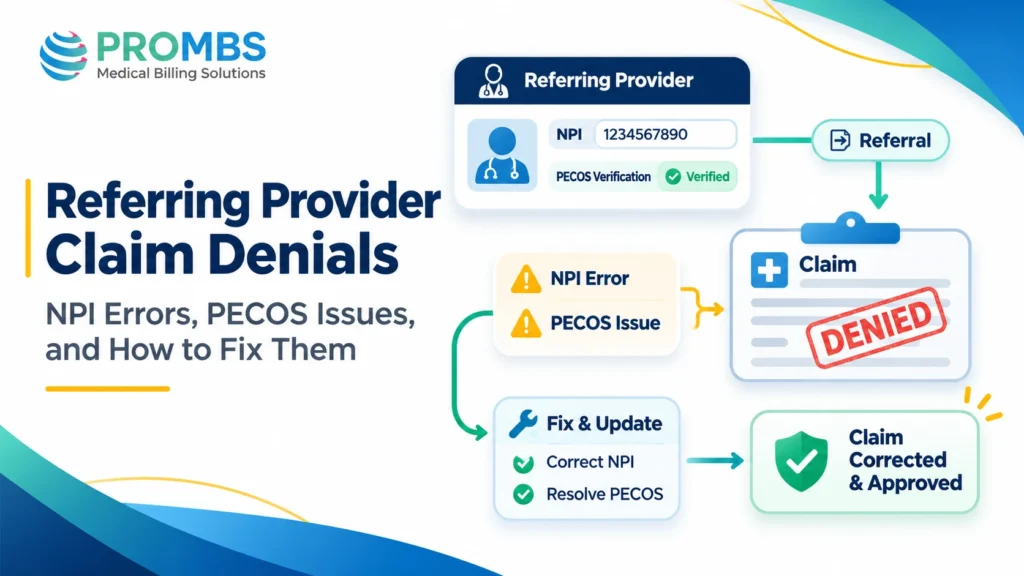
A medical practice submits an insurance claim for a diagnostic service ordered by a physician. The procedure was completed, the patient’s insurance coverage was active, and the claim included the correct CPT code. However, the insurer returns the claim because the ordering physician’s National Provider Identifier (NPI) is missing or does not match the information […]
Unapplied Cash in Medical Billing: Why Deposits Fail to Reach Patient Accounts
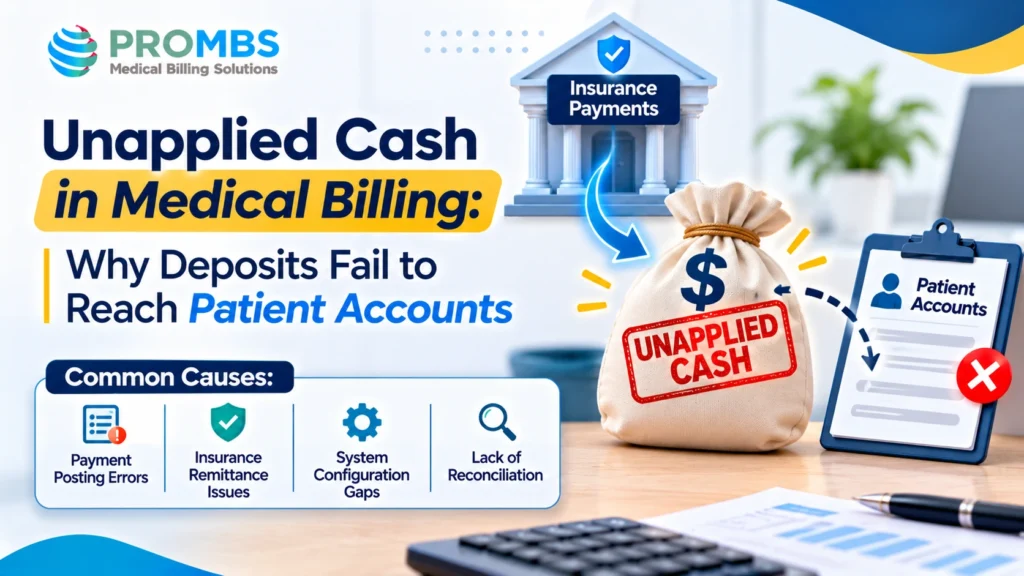
A medical practice receives a $12,000 insurance payment through Electronic Funds Transfer (EFT). The deposit appears in its bank account, confirming that the money has arrived. However, when the billing department reviews the practice-management system, the claims associated with that payment still show outstanding balances. The practice has received the money, but its financial records […]
Authorization Expiration Tracking: How to Prevent Expired Prior Authorization Denials
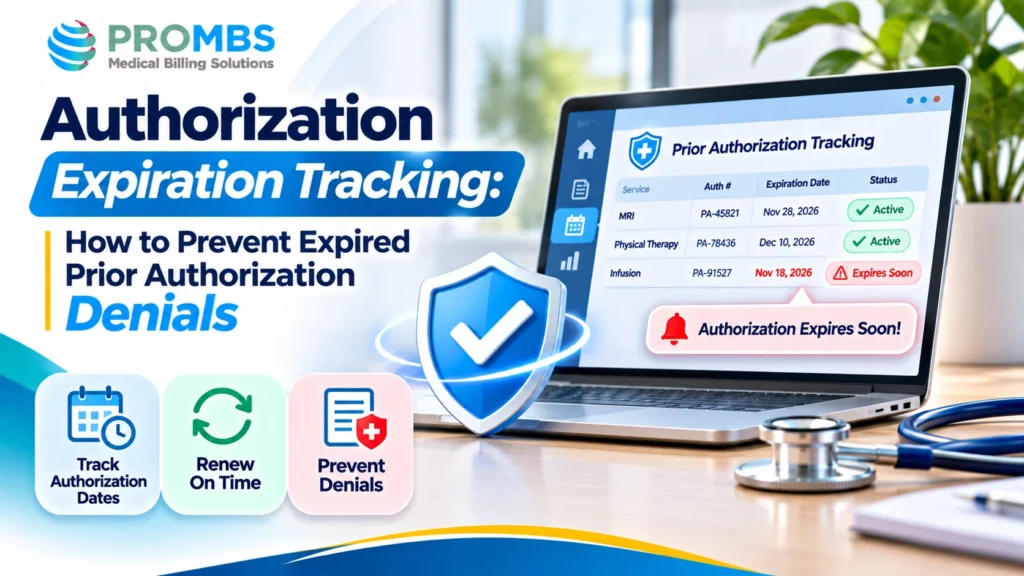
A medical practice obtains prior authorization for a patient’s treatment, receives approval from the insurance company, and schedules the service. Everything appears ready for reimbursement. However, when the claim is eventually submitted, the insurer denies payment because the authorization expired before the treatment occurred. This situation can arise even when the provider obtained authorization correctly […]